
Quick Answer
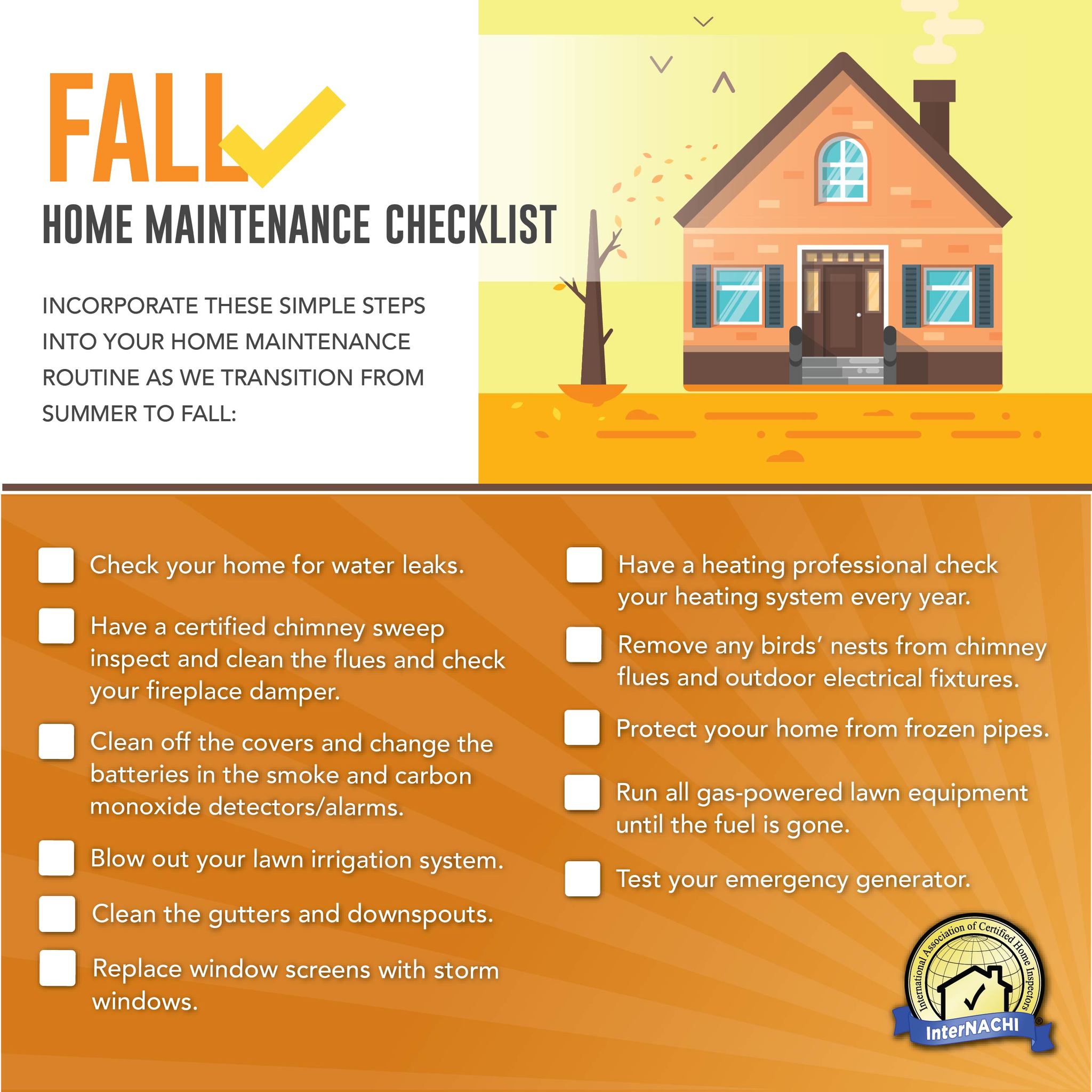
A fall home maintenance checklist for Danville IL homeowners should cover the roof, gutters, downspouts, furnace, water heater, plumbing freeze protection, exterior caulking, and yard drainage. The window between September and mid-November — before the first hard freeze — is when most of these tasks can still be completed safely and affordably in Vermilion County.
Fall in Vermilion County is the most forgiving season your home will see all year. The brutal heat is gone, the deep freeze hasn't arrived, and contractors aren't yet booked solid for emergency calls. This fall home maintenance checklist for Danville IL homeowners is built for our specific climate — Central Illinois winters, freeze-thaw cycles, snow load, and ice damming — and is informed by what I see during home inspections across Danville, Tilton, Westville, Catlin, Georgetown, and Hoopeston.
I'm Matthew Morgan, ACI-certified and ASHI Background Verified. Most of the items on this list take a weekend; skipping them costs thousands.
1. Roof and Attic
Spring storms in Central Illinois have already done their damage by September. Fall is when you handle it.
- Walk the perimeter and look for missing, curling, or lifted shingles
- Check flashings around chimneys, plumbing vents, and roof valleys
- Inspect the attic for daylight, water staining, or rodent activity
- Verify attic ventilation is unobstructed by insulation or stored items
- Schedule a professional roof inspection if you suspect storm damage
2. Gutters and Downspouts
Clogged gutters cause more winter damage in Vermilion County than almost anything else. Trapped water freezes, expands, lifts shingles, backs up under flashing, and breaks downspouts.
- Clean leaves and debris from every gutter run
- Flush downspouts and confirm water exits at least four feet from the foundation
- Check for sagging, separating seams, or pulling-away brackets
- Inspect splash blocks and downspout extensions
3. Furnace and HVAC
Get ahead of the November rush. HVAC contractors in Danville and Champaign book 2 to 3 weeks out by mid-October.
- Replace the furnace filter (and plan a fresh filter every 60 to 90 days)
- Schedule a professional furnace tune-up before first use
- Test the thermostat in heat mode before you need it
- Vacuum dust from supply and return registers
- Inspect visible ductwork for disconnections, especially in the basement and crawl space
- Listen for unusual noises during the first cycle of the season
For furnaces over 20 years old, plan now for replacement timing — emergency replacements in January cost significantly more than scheduled replacements in October.
4. Water Heater
Water heaters fail in Central Illinois winters at a higher rate than any other season. Cold inlet water increases run time, sediment hardens, and old units give out.
- Check for rust, corrosion, or moisture at the base of the tank
- Drain a few gallons from the bottom drain valve to flush sediment
- Verify the temperature/pressure relief valve has a discharge tube terminating within 6 inches of the floor
- Note the unit's age — water heaters past 12 years are on borrowed time
5. Plumbing Freeze Protection
A single frozen pipe in a Danville crawl space can cause five-figure water damage. A few hours of fall prep eliminates the risk.
- Disconnect and drain garden hoses
- Insulate any pipes in unheated spaces — crawl spaces, garages, attics
- Identify your main water shutoff and verify it operates
- For crawl spaces, close foundation vents before freezing weather
- Drip faucets on exterior walls during deep cold snaps
6. Exterior, Caulking, and Weatherstripping
Heated air leaking out is the same problem as cold air leaking in.
- Inspect window and door caulking — replace any cracked, dried, or pulled-away beads
- Replace worn weatherstripping at exterior doors
- Check the seal around dryer vents, exhaust fans, and exterior outlets
- Look for paint failure on south- and west-facing siding and trim
- Inspect masonry tuckpointing on chimneys and foundation walls
7. Yard, Grading, and Drainage
Fall yard work directly affects your basement next spring.
- Confirm the grade slopes away from the foundation on all sides
- Clean window wells and verify drains are not clogged
- Trim trees and limbs that overhang the roof
- Inspect retaining walls for movement or failing drainage
8. Safety Devices
A simple ten-minute check that prevents the worst.
- Test every smoke detector and CO detector
- Replace batteries; replace any unit older than 10 years (smokes) or 7 years (CO)
- Verify a working CO detector on every level — required by Illinois law
- Inspect the fire extinguisher charge
9. Sump Pump and Battery Backup
Spring rains in Central Illinois are heavy. Test the sump pump now, while you have time to fix problems.
- Pour a bucket of water into the sump pit and verify the pump cycles on
- Check the discharge line for blockages and confirm it terminates well away from the foundation
- If you have a battery backup, test the battery and replace if older than 5 years
- For homes with a history of basement flooding, consider a water-leak alarm
10. Schedule a Maintenance Inspection (Optional but Recommended)
For homes you've owned for 5 or more years, or homes with deferred maintenance, consider a professional fall maintenance inspection. A trained inspector can catch the items a homeowner walking the property would never see — failed flue connections, double-tapped breakers, hairline foundation cracks, and early roof failures.
Learn more about our home inspection services, our approach to thermal imaging for finding hidden moisture, or what your inspection day looks like.
Related Reading
- Summer Roof Inspection Tips for Central Illinois Homes
- What Does a Home Inspection Cover in Danville, IL?
- Radon Testing Guide for Vermilion County, IL
- Pre-Listing Home Inspection for Champaign-Urbana
Frequently Asked Questions
When should I have my furnace serviced in Central Illinois?
Schedule the annual tune-up between September and early October — before the first cold snap, and before HVAC contractors book solid. A pre-season tune-up costs less than an emergency call in January.
How much does a fall home inspection cost near me?
Pricing varies by home size and services requested. For a free quote in Danville, Tilton, Westville, Catlin, Hoopeston, or anywhere in Vermilion County, call 217-304-6547.
Should I close my crawl space vents in winter?
In Central Illinois, yes — typically. Closing crawl space vents reduces freeze risk to plumbing and reduces heat loss. Reopen in spring for ventilation. Homes with vapor barriers and conditioned crawl spaces follow different rules; ask your inspector.
Do I need to drain my water heater every fall?
Annual partial flushing is recommended for tank water heaters in Central Illinois — our water carries enough sediment to coat heating elements and shorten tank life. A few gallons from the bottom drain valve is usually sufficient.
Is fall a good time to test for radon in Vermilion County?
Yes. Fall and winter generally produce more representative results because homes are kept under closed-house conditions for heating. See our radon testing guide.
Should I inspect my roof before winter in Danville, IL?
Strongly recommended — particularly if your roof is over 15 years old or you noticed any storm activity in spring or summer. Ice damming and snow load can turn small problems into expensive ones overnight.
What is the most overlooked fall maintenance item in Central Illinois homes?
Foundation grading and downspout extensions. Water that pools near the foundation in October freezes and expands in December — and shows up as basement seepage in March.
Need a Fall Maintenance Inspection in Danville, IL?
Don't wait until something breaks in January. Matthew Morgan provides thorough maintenance and pre-winter inspections across Danville, Tilton, Westville, Catlin, Georgetown, Hoopeston, Oakwood, and the surrounding region.
Call 217-304-6547 or request a quote online.
Morgan Home Inspection serves Vermilion, Champaign, Edgar, Iroquois, Ford, Douglas, and Coles counties. Licensed in Illinois. ACI Certified. ASHI Background Verified.